


Cone crushers
CH430 cone crusher
A compact cone-crusher model for secondary and tertiary crushing and cubical aggregate production.
View equipment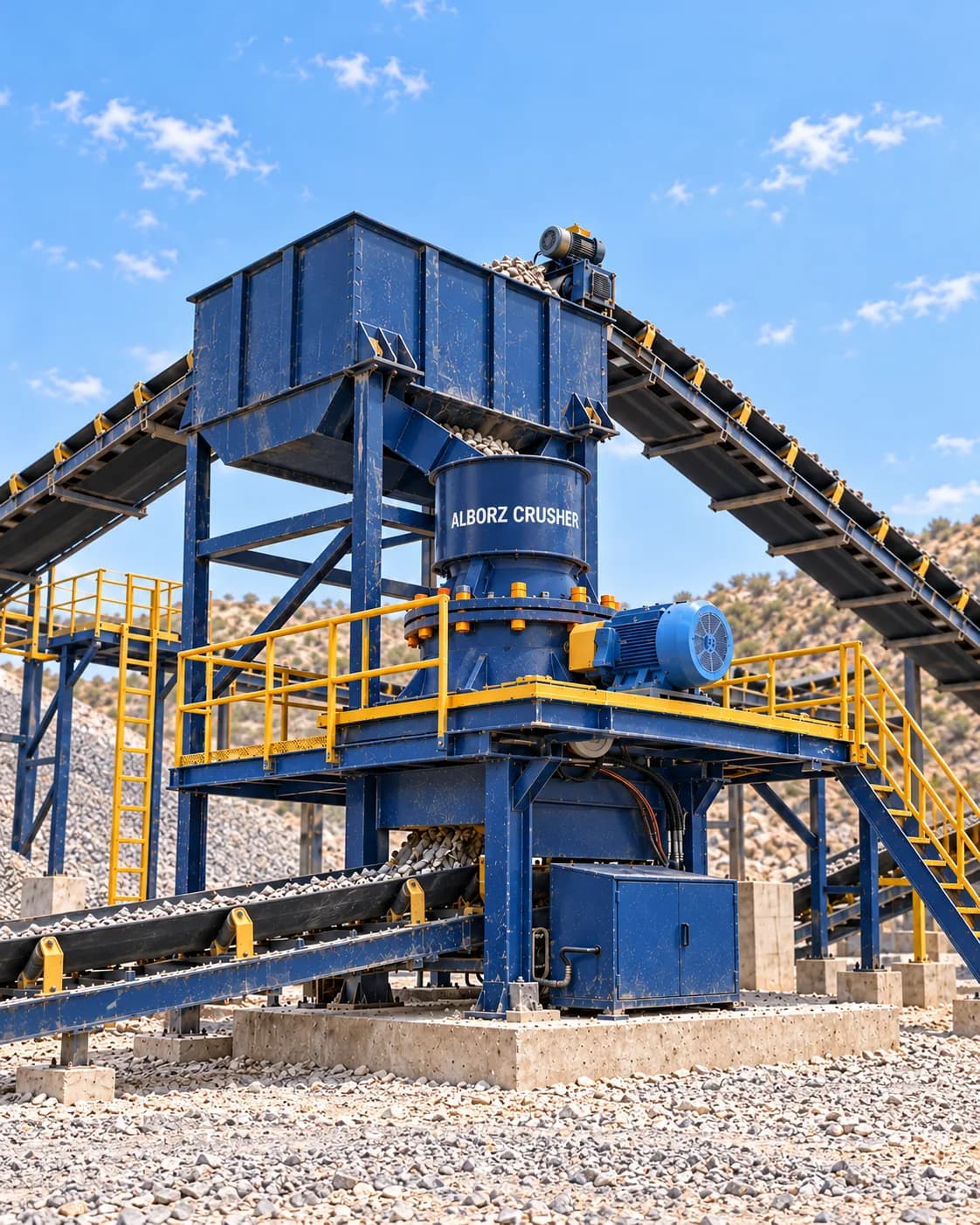
Cone crushers
A cone crusher for secondary and tertiary crushing in sand and aggregate production.
Material is compressed between the mantle and concave, with hydraulic gap adjustment and protection against uncrushable objects. The specifications below are identified as HP-Series 200 and have not been verified for the 36-inch unit. Confirm the model, specifications and hydraulic configuration with our technical team before selecting equipment.
Ask about this equipmentOperating guide & selectionProduct details
| Specification model; 36-inch match unverified | HP-Series 200 |
|---|---|
| Output capacity | 150–250 t/h |
| Motor power | 90 kW |
| Machine weight | 11,500 kg |
| Feed size | Up to 200 mm |
Confirm the final configuration and performance for your material and operating conditions with our team.
36-inch chamber selection
A 36-inch cone works between the mantle and concave, so chamber geometry and closed-side setting must be considered together. The reference catalogue distinguishes several chamber codes. Use them to structure a technical discussion about feed and product rather than treating every 36-inch machine as interchangeable.
The chamber determines how the incoming material is received and compressed. A fine-duty chamber is not a substitute for suitable upstream reduction. Share the feed grading and required product fractions before choosing a liner arrangement, then check whether the proposed setting suits that arrangement and the circuit.
The reference separates total output from the portion smaller than the closed-side setting, or CSS. Those values describe different quantities and cannot be used interchangeably. Moisture, feed preparation and recirculation also change the duty, so a chamber label or a single table value is insufficient for equipment selection.
| Chamber code | Relative duty in the reference | Selection question |
|---|---|---|
| 2-36 | Finer-feed end of the illustrated range | Has the feed already been reduced sufficiently? |
| 4-36 | Finer to intermediate chamber option | Does the incoming grading suit the liner profile? |
| 5/5-36 | Intermediate chamber option | What balance of feed acceptance and product is needed? |
| 7-36 | Coarser-feed chamber option | How will the screen and return circuit handle discharge? |
| 8-36 | Coarser-feed end of the illustrated range | Can the actual chamber and feed limits be confirmed? |
No. That name alone does not establish the exact machine, chamber or hydraulic arrangement. Confirm the machine identification, drawings and supplied configuration; the existing HP-Series 200 table also needs matching to the actual unit.
No. Smaller-than-CSS output is only one portion of the discharge distribution. Total crusher output and the saleable fractions after screening must be distinguished when comparing tables or assessing a proposed circuit.
Contact
Include the material, equipment model or output you have in mind. You can also ask us for available product photographs and technical information.
+98 912 560 1126Cone crushers
A compact cone-crusher model for secondary and tertiary crushing and cubical aggregate production.
View equipmentCone crushers
A cone-crusher model for secondary crushing of hard, abrasive rock with hydraulic setting adjustment.
View equipment